Table of Contents
Non-ferrous metal recycling may sound like a complex industrial process, but in reality, it’s one of the most useful and fascinating fields of environmental protection that anyone can participate in. Instead of throwing away an old can or a used wire, we can give them a second life, saving the planet’s resources and—incidentally—boosting our household budget. In this guide, we will walk step-by-step through the world of non-ferrous metals, explaining everything from the absolute basics.
What is non-ferrous metal recycling and why does it matter?
Recycling is essentially giving objects a second, third, and even hundredth life. In the case of non-ferrous metals, the matter is fascinating because we can process them virtually endlessly. Imagine that the copper in the cable you are holding right now might have been part of an ornamental candlestick decades ago! Most importantly, this process occurs without any loss of quality in the raw material. It feels like one of the few situations in nature where we get something almost for free – a constant cycling of material without degradation.
Why do we even bother with this? It’s simple: we save the planet and money. Extracting ore from deep within the earth is incredibly energy-intensive and invasive to the landscape. By the way, did you know that recovering metals allows for a drastic reduction in CO2 emissions? It’s a clear win for the atmosphere. Instead of massive mines, we rely on modern sorting and processing plants. Seriously, every beverage can thrown into the proper bin is a small brick in building a healthier world.

The infinite potential of aluminum and copper
If we had to name recycling superheroes, aluminum and copper would take the top spots on the podium. According to industry data (including experts from CDDesign or TAS-Met), aluminum can be processed an infinite number of times. The best part is that recovering aluminum from scrap requires up to 95% less energy than producing it from bauxite ore! That’s a colossal difference that translates into real savings in our wallets and peace of mind for ecologists. The situation is similar for copper – the reclaimed material retains 100% of its mechanical and electrical properties.
- Energy savings: Copper recycling uses about 85% less energy compared to primary mining.
- Resource protection: Fewer holes in the ground mean more untouched ecosystems.
- Waste reduction: Instead of landfills, metal goes back to factories.
- Clean air: Lower energy consumption means a real reduction in smog and greenhouse gases.
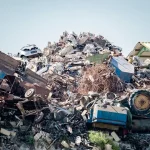
It’s hard to find better proof that segregation makes sense. Looking at huge piles of sorted scrap, we see not trash, but a true “resource bank.” As noted by specialists from organizations like the WWF or Polish recycling associations, a circular economy is not just a trend but a necessity for us to enjoy electronics and comfort without destroying the environment.
Basic concepts: What do you need to know?
Entering the world of recycling can feel like your first chemistry lesson, but don’t worry – it’s much simpler than you think! Our team believes that the foundation is understanding what you’re actually holding in your hands. The most important division you’ll encounter at any scrap yard is the one between ferrous and non-ferrous metals (commonly called color metals in Polish). How to tell them apart without a specialist lab? It’s best to have a simple magnet on hand. If the metal “runs away” from the magnet or simply doesn’t react to it, you’re dealing with a member of the non-ferrous group. Seriously, it’s that easy! Ferrous metals, like steel or cast iron, love magnetism, whereas aluminum, copper, or brass are completely indifferent to it.
By the way, non-ferrous metals are true technical powerhouses. According to definitions adopted by industry organizations, such as associations dealing with coatings and metallurgy (e.g., in the spirit of LFPA guidelines), these metals do not have iron as a dominant element in their composition. Because of this, they don’t rust like old nails and they conduct electricity perfectly. To help you recognize what is what, we’ve prepared a little cheat sheet with the most popular players on the market.
| Non-ferrous metal | Where to find it (typical applications) |
|---|---|
| Aluminum | Beverage cans, kitchen foil, window profiles, car parts. |
| Copper | Electrical cables, installation pipes, electronics components, gutters. |
| Brass | Door handles, bathroom fittings, ammunition casings, wind instruments. |
| Zinc | Roofing sheets, anti-corrosion coatings on bolts, carburetor castings. |
| Lead | Car batteries, fishing sinkers, radiation shielding. |
Non-ferrous vs. precious metals
Here things get a bit more luxurious. Although gold, silver, platinum, or palladium are technically also non-ferrous metals, we treat them as a separate league – precious metals. The main difference? Wallet value, of course, but also the way we bring them back into rotation. We feel that the process of recovering precious metals is pure magic (and some advanced chemistry). While aluminum or copper only need to be well-sorted and melted down in a large furnace, gold or silver often require chemical dissolving or electrolytic refining to separate them from impurities.
Did you know there are a few specks of pure gold in your old smartphone? According to data published by resource recovery organizations like the NRF, chemical processes allow these valuable elements to be extracted even from microscopic traces on circuit boards. Non-ferrous metals are recovered on a massive scale for construction, while precious metals are extracted using precise methods so they can once again please the eye as jewelry or serve in modern medicine. Both groups are super important to us because every ton of recovered metal is a huge relief for the planet and means fewer holes in the ground searching for new deposits.
How does it work? The road from waste to a new product
Have you ever wondered what happens to that old, rusty pipe or scratched car body once they disappear from your yard? It’s not the end of their story, but rather an exciting new beginning! We think of this process like a great circle of life for matter. The fun starts at the scrap yard, where the metal “retiree” is weighed and appraised. This is where experts decide what to mix with what so the foundry can produce a top-grade raw material. Seriously, precision at this stage is crucial for the quality of what eventually ends up in our homes in the form of new devices.
It feels like this process resembles a giant kitchen where we use tons of steel instead of flour and eggs. According to data shared by the WWF, recycling steel can save up to 74% of energy compared to production from iron ore. Sounds like a solid argument for taking care of every can, right? Before the metal hits the furnace, however, it must go through several mechanical “adventures” to prepare it for its grand return to the market.
From a grain to a steel block – the stages of recycling
The entire cycle is a precisely planned operation. There is no room for accidents here, because every ton of recovered material is pure profit for the planet. The European Environment Agency (EEA) indicates that in the European Union, steel recycling reaches an impressive efficiency of about 95 percent. What does it look like in practice? Here is how this metamorphosis unfolds:
- Segregation and selection: This is the first step, where we separate steel from aluminum or copper. Machines equipped with magnetic separators do this in a flash.
- Shredding and crushing: Large hydraulic shears and crushers turn bulky items into smaller pieces. These “shredded” pieces are easier to transport and clean.
- Cleaning: At this stage, we remove everything that isn’t metal. We get rid of paint residue, varnish, and other contaminants so the furnace load is as pure as possible.
- Melting in induction furnaces: This is the most spectacular moment. The cleaned scrap goes into arc furnaces, where it turns into liquid lava at temperatures exceeding 1500°C.
By the way, it’s amazing that after degassing and removing residue (the so-called slag), that same steel can become a new structural element of a bridge or a durable sheet of metal. At the end of the road, the liquid metal is formed into blocks or hot-rolled into finished products. And so the cycle closes – the old pipe returns to us in the form of a modern construction profile. You have to admit, that’s some pretty good magic happening right before our eyes without any tricks!
How to start your recycling adventure? First steps
Have you ever wondered what happens to that single can of your favorite lemonade that you throw into the yellow bin? We feel it’s the start of an amazing journey! Home recycling doesn’t require a doctorate in environmental protection or having a massive logistics center in your kitchen. All it takes is a bit of willingness and a change in a few small habits to really feed the circular economy. Seriously, it’s more addictive than you think! Just remember not to try melting anything yourself during home cleanups – let’s leave playing with fire to professional smelting plants and focus on what we’re best at: smart material preparation.
We start with home segregation because that’s where all the magic happens. Instead of throwing everything into one bag, create a small transit point under the sink or in a cabinet. Once you’ve gathered a supply of aluminum or steel, it’s worth looking for local scrap collection points in your area. It often turns out they are closer than we think! Turning in clean metal to a scrap yard is not only a gesture toward nature but also a chance for a small return for your wallet. According to data from the Polish Association for Recycling and Metal Recovery (PZROM), well-prepared material can be worth up to 50% more than contaminated material. Sounds like a plan for a Saturday afternoon, right?
Crushing, cleaning, and the magnet trick
Let’s start with a little “fitness” for your waste. Crushing cans is a basic step because it saves a lot of space – data from GUS confirms that in this way, we reduce waste volume by nearly 40%. Just remember not to make the can a complete “pancake”; sorting facilities like it when the metal retains at least a bit of its natural shape, which makes the work easier for automatic separators. Before you toss the can into the bag, make sure it’s empty. A quick rinse with cold water is enough to get rid of juice residues that could attract uninvited winged guests. Straws, paper stickers, or plastic parts? Get rid of them! The cleaner the metal, the more efficient the recovery process. European Aluminium indicates that the recycling efficiency of cans is as high as 95%, so our work really makes sense.
| Activity | Benefit for You | Benefit for the Planet |
|---|---|---|
| Crushing | Taking out the trash less often | Fewer garbage truck trips (lower CO2 emissions) |
| Rinsing | No unpleasant odors | Clean raw material ready for processing |
| Removing stickers | Better price at the scrap yard | Fewer contaminants in the melting process |
Protip: Not sure if what you’re holding is a valuable non-ferrous metal? Take a simple souvenir magnet off the fridge and touch it to the object. If the magnet “doesn’t catch,” you’re likely holding aluminum, which is famous at scrap yards as a little silver treasure!
By the way, did you know that by separating plastic straws from aluminum cans, you make the work easier for the machines at the sorting plant? The Metal Recyclers Association in Poland emphasizes that such details drastically lower the costs of the entire operation. It’s worth remembering this when throwing cans into the yellow container. Sorting becomes much more pleasant when we see it as a sensible process rather than just a forced obligation. Ready to act?
Frequently Asked Questions (FAQ)
Do I need technical knowledge to sort non-ferrous metals?
Absolutely not! Metal sorting is a job for everyone and doesn’t require a specialized education. All you need to do is learn to recognize the basic colors of metals and equip yourself with a simple magnet. The rule is very simple: if the magnet sticks to the object, you’re dealing with steel or iron. Non-ferrous metals, like copper or aluminum, do not attract magnets. It’s an easy and satisfying detective game that you can learn in just a few minutes.
How long does it take to learn to recognize different types of scrap?
You’ll be surprised how fast you’ll learn! You can learn to distinguish the basic types of metals we encounter most often – copper, aluminum, and brass – in practically one day. Every subsequent visit to a scrap yard is a free practical lesson. Employees will be happy to tell you what to look for, and in time, recognizing materials will become your natural instinct.
Can you even make money on a small amount of cans or cables?
Of course you can! Remember that in recycling, the most important thing is the habit of setting aside materials instead of throwing them in the general trash. Although one bag of cans may seem small, over the course of an entire year, such small steps translate into concrete savings in your household budget. Additionally, you’re giving the environment a huge breath of relief – every, even the smallest amount of recovered metals, is real support for our planet.