
Table of Contents
Do you dream of far-off travels but simultaneously worry about the state of our planet? You are not alone. Traditional mass tourism is leaving an increasingly heavy mark on the environment, but there is an alternative that allows you to combine your passion for exploring the world with care for nature. Ecotourism is not just a buzzword – it’s a way to experience travel more deeply and authentically. In this guide, we will lead you by the hand through the world of responsible travel. You will learn where to start, how to avoid pitfalls, and why your decisions matter, even if you are just taking your first steps into the ‘eco’ world.
What is ecotourism and why should you care?
Have you ever wondered what it’s like to travel without the guilt of leaving mountains of plastic bottles behind after your vacation? This is exactly where ecotourism steps in. It is nothing more than consciously visiting wild bits of nature in such a way that after our departure, the forests, rivers, and local villages are as well off, or even better, than before we arrived. Seriously, it’s simpler than you think! It’s not about sleeping in a tent in extreme conditions, but about respect for the places that host us.
Where did it all come from? We might feel like the “eco” trend is new, but the idea has been maturing for years. Officially, everything picked up speed in 1990 when The International Ecotourism Society (TIES) was founded. This organization was the first to speak out about the fact that tourism can heal the world, not just exploit it. Today, statistics suggest that about 40% of us are already choosing active forms of recreation, showing that we are increasingly looking for something more than just lying flat on a beach. Ecotourism is simply being a good guest in Mother Nature’s home.

Travel that gives something back – it’s simpler than you think
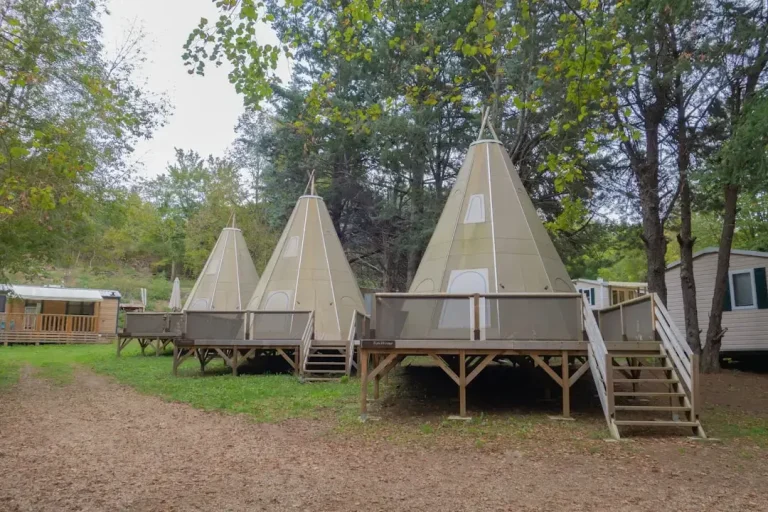
The good news is: anyone can become an ecotourist, regardless of whether they have climbed 8,000-meter peaks or prefer quiet walks through valleys. You don’t have to give up comfort right away. Instead of a huge hotel where the air conditioning runs at full blast, you can choose a charming agritourism farm. By supporting local hosts, you ensure that your money stays in the region rather than landing in the account of a large corporation. UNESCO emphasizes that this approach is the foundation of sustainable development, and we simply think that home-made cheese from a neighbor tastes much better.
By the way, ecotourism is a brilliant live biology lesson. When we visit national parks, for example the Tatra Mountains, we have the chance to participate in workshops that teach us about animal life or the importance of rare plants. The Global Sustainable Tourism Council (GSTC) indicates that by choosing local products and taking the train instead of a car, we can reduce our carbon footprint by up to 30%. That’s a big difference, right? By traveling this way, we stop being passive observers and become part of something bigger. It’s about taking joy in beautiful views and ensuring that future generations will see them too.
- Choose the train or bike – less noise and more time to admire the views.
- Buy locally – a souvenir from a local artist is more rewarding than a plastic gadget from a distant country.
- Educate yourself with passion – biosphere reserves often offer free educational paths that are truly fascinating.
- Leave only footprints – and take only memories and photos with you.
According to the World Wildlife Fund (WWF), tourism conducted mindfully is one of the best tools for the survival of endangered species. So next time you plan a vacation, try looking at the map through “green glasses.” It’s worth a try, isn’t it?
Basic concepts worth knowing
Before we pack our backpacks, let’s establish a common language so we all know what we’re talking about by the campfire or in the shelter. The world of ecology can be full of difficult words, but don’t worry – we won’t bore you with encyclopedia-style definitions. The point is to travel with a clear head and a clean conscience, right? Sometimes a moment of reflection on how our vacation choices affect the environment is enough to genuinely change something for the better. We feel that understanding these few terms is the best first step to being a conscious wanderer.
Here is our little “for the people” glossary to help you navigate the topic of responsible travel more confidently:
- Sustainable development – a way of living and traveling that uses the planet’s resources wisely, leaving it in good condition for future generations. The foundations for this thinking were laid as early as 1972 during the first United Nations conference in Stockholm.
- Greenwashing – in short, “eco-deception,” which is when a company spends more money on pretending to be eco-friendly than on real actions for nature. Incidentally, this term originated in the 80s when a student noticed a hotel encouraging towel reuse supposedly for the Earth, but actually just to save on laundry costs.
- Carbon footprint – the total sum of greenhouse gases released into the atmosphere by our actions, such as taking a flight or buying a plastic bottle of water. The smaller the result, the easier the planet can breathe.
- Leave No Trace – the golden rule of outdoor ethics: “Leave a place exactly as you found it.” Seriously, if the only trace of your visit to the forest is a boot print in the mud, you’re doing it right!
Sustainable development in a nutshell
Imagine a three-legged stool: one leg is the economy, the second is people and society, and the third is the environment. If we cut any of them, the whole thing collapses – and that is the essence of sustainable development. It’s about ensuring that money from tourism supports the local community rather than destroying the forests those people love. According to the definition in the 1987 Brundtland Report (published by the UN World Commission on Environment and Development), we must manage what we have so our children can also see the mountains in their full glory.
Is it hard? Probably not, as long as we remember that the economy cannot win over nature. In ecotourism, this balance is natural – we focus on quality, not quantity, appreciating what is local and authentic.
| Feature | Mass Tourism | Ecotourism |
|---|---|---|
| Main goal | Maximum profit and quick entertainment | Nature conservation and education |
| Impact on locals | Often displaces local businesses | Supports local crafts and cuisine |
| Groups | Very large, coaches, noise | Intimate, close to nature and silence |
| Environment | Exploitation (e.g., big hotels) | Minimal interference, respect for fauna |
Watch out for Greenwashing
How to tell if a guesthouse really cares about nature or just wants to charge us a higher price for having “eco” in the name? Greenwashing can be sneaky. Companies often use leaves on packaging or green colors to subconsciously convince us of their eco-friendliness, while their production processes are harmful. It’s worth looking for specifics: instead of vague slogans like “natural,” look for credible certificates like the European Ecolabel or B-Corp.
Pay attention to details. If a hotel is called “Eco-Resort” but there’s a vending machine with single-use bottles in the lobby, something isn’t right, is it? Organizations like WWF or Green Key often suggest what to look for so as not to fall for marketing tricks. Let’s be alert, because our wallets have the power to vote for real change!
Golden rules of an ecotourist: How does it work in practice?
Have you ever wondered if one tourist can really change anything? We feel like we often shrug it off, thinking our choices are just a drop in the ocean. And yet, ecotourism is a powerful financial and social mechanism. When you choose a small agritourism farm instead of a large chain hotel, magic happens. According to World Tourism Organization (UNWTO) data, local artisans and hosts generate up to three times more income thanks to you than global corporations. Seriously, every dollar spent on local cheese or a hand-woven basket is a real shot of energy for the region you are visiting.
It’s a bit like voting with your wallet to ensure a place remains authentic and beautiful. By the way, more and more people are looking for accommodations close to nature. This is a great trend! It’s not about suddenly becoming an ascetic and sleeping under the stars if you don’t feel like it. It’s about small gestures: choosing local products instead of supermarket ones or making sure to bring your own reusable bottle. Remember, every small change in how you travel is a huge nod toward the planet. It’s really simple and gives a lot of joy!

The Leave No Trace philosophy and the power of local choices
Have you heard of “Leave No Trace”? It’s like a code of honor for every nature fan. Perhaps the coolest thing about these rules is that they aren’t prohibitions, but rather signposts on how to be a good guest in the woods or on the trail. When we apply these points in practice, we minimize our environmental impact to almost zero. The Global Sustainable Tourism Council (GSTC) emphasizes that this approach allows wild places to be kept intact for future generations. And that’s what we want, right? We want these views to be a joy to behold in 20 and 50 years.
- Plan ahead and prepare: Check the weather and park regulations to avoid surprises.
- Travel and camp on durable surfaces: Stick to designated paths, don’t step on the moss!
- Dispose of waste properly: Everything you brought in must come back home with you.
- Leave what you find: Beautiful stones and plants look best where they grow.
- Minimize campfire impacts: Only build fires in designated areas.
- Respect wildlife: Observe animals from a distance, don’t feed them (even if they are cute).
- Be considerate of other visitors: Yield on the trail and avoid loud noise.
By choosing local food instead of products imported from halfway across the world, you are also acting for the climate. According to the European Environment Agency (EEA), choosing eco-friendly accommodations can lower CO2 emissions by up to 40%. That’s a massive difference! By supporting local artisans, you give them a chance to survive and nurture traditions. It’s a mechanism where everyone wins: you have a great souvenir with a soul, and the region flourishes thanks to your presence.
First steps: How to plan your first eco-trip?
Planning your first eco-friendly expedition is a bit like putting together a puzzle – at first it seems like there are tons of pieces, but once they click into place, the picture is stunning. Seriously! You don’t have to drop everything and march across continents with a bamboo stick in your hand. It’s about better choices that often save your wallet too. Everyone loves that moment when they realize a train ticket cost a fraction of a flight and the views out the window were a hundred times better. Don’t worry, we feel that after your first such route, you’ll never look at airport check-in the same way again.
Look at Costa Rica. It’s an iconic country that uses almost 100% renewable energy and has prioritized nature protection as its main asset (Global Footprint Network data is impressive!). Meanwhile, Bhutan teaches us respect for tradition by limiting tourist numbers to protect its culture. These are proofs that meaningful travel is possible. We too can start with small steps – choosing the train instead of a car or staying where water conservation is practiced. It’s really simple and, honestly, very satisfying.
Logistics with a heart: transportation and accommodation under the microscope
When planning a route, it’s worth looking at the numbers. Trains generate up to 90% less CO2 emissions than planes on the same segments. If you have a route up to 600-800 km, a train or a coach like FlixBus is a perfect choice. It’s faster than it seems because you avoid traveling to distant airports and waiting two hours at gates. And if you must go by car? Check carpooling options. It’s a brilliant way to split fuel costs and cut your carbon footprint in half. By the way, conversations with people on the road are often the best part of the trip!
When looking for a place to stay, don’t be fooled by “eco-shells.” Look for specifics. You’ll find real gems on portals like Ecobnb or Green Pearls. If you use Booking.com, check the “Travel Sustainable” filter. Pay attention to certificates: EU Ecolabel or Green Key are guarantees that a hotel actually saves energy and doesn’t waste water. Sometimes a small agritourism farm that serves jam from its own fruit does more for the planet than a large resort with “bio” written on the reception desk.
We’ve prepared a short cheat sheet to help you start. You can save it on your phone (or your head!):
- Transport: Choose trains or coaches for domestic and European routes.
- Accommodation: Look for the Green Key or EU Ecolabel icon when booking.
- Length of stay: Stay in one place longer (e.g., 10 days instead of a weekend city-break) – it’s a huge relief for the environment.
- Locality: Pack a reusable filter bottle and a shopping bag in your backpack.
- Energy: Check if your host uses solar panels or sorts waste.
Frequently Asked Questions (FAQ)
Is ecotourism more expensive than normal vacations?
The question of cost is very valid. While modern ecological solutions can be more expensive at the implementation stage, in reality, the budget for such a trip often turns out to be very similar to a classic trip. Remember that by choosing a train over a plane or using the hospitality of local residents, you not only save money but also genuinely support smaller communities. It’s not just an expense; it’s an investment in the quality of your rest and a better future for our planet.
Do I need special preparation to start?
Absolutely not! To become an ecotourist, you don’t need certificates or specialized knowledge. The most important items in your equipment are your willingness, openness to nature, and mutual respect for your surroundings. If you feel you want to take care of the world you visit, you already have everything you need. Each of us learns in small steps, and being a conscious traveler begins with a simple decision to respect the environment.
Is it too late for ecotourism given current climate changes?
I understand your concerns, but I want to reassure you: it’s never too late for good choices. Right now, your involvement is more important than ever. Every small decision you make while traveling directly affects whether our beloved spots will survive intact. By choosing ecotourism today, you give future generations the chance to enjoy the beauty of wild nature just as we do.