Table of Contents
Looking for a way to have creative fun that teaches responsibility for the planet? Recycled jewelry is a 2026 trend that combines upcycling with children’s imagination. Transforming waste into valuable decorations (upcycling) is not just a fashion, but also environmental education. We have prepared a list of the best materials and techniques that will allow your child to create unique necklaces and bracelets from what you already have at home.
Comparison: Best DIY Jewelry Techniques and Materials
Are you planning to refresh your jewelry box? We have the impression that 2026 is an absolute breakthrough in the approach to creating ornaments. Instead of buying ready-made ones, we are increasingly reaching for what we already have at hand, combining creativity with care for the planet. Seriously, Global Fashion Agenda reports confirm that nearly half of us today prefer items with a soul, made from recycled materials. When choosing bases for our projects, we are primarily guided by safety (we focus on proven polymers like HDPE or PP) and what is currently conquering the sustainable fashion runways.
| Material | Main Advantage | Difficulty Level |
|---|---|---|
| Recycled plastic (HDPE/PP) | Complete skin safety and no toxins. | Medium |
| Sari cotton (upcycling) | Incredible lightness and unique fabric patterns. | Easy |
| Paper beads | Zero material cost and full personalization. | Easy |
| Recycled surgical steel | Anti-allergic and durable for years. | Advanced |
Safety and trends, or what to wear close to the body
When choosing semi-finished products, it is worth looking at the markings. Is this plastic definitely HDPE? This polyethylene is great because, in the right conditions, it simply returns to nature without leaving a chemical mess behind. On the other hand, avoid PVC like fire – it can be temperamental and does not necessarily like sensitive skin. Besides, the Fashion Revolution foundation speaks loudly about the fact that ethics in fashion begins with such small decisions at the design desk. Have you heard of the OEKO-TEX® Standard 100 certificate? Look for it on strings and fabrics, because it gives you the certainty that there are no hidden “surprises” inside.
What about availability? No worries, Polish shops such as Royal Stone or Beads & More switched to the green side long ago. In 2026, the hits are small seed beads made from seeds and ecological plastic masses that have certificates like EcoCert. If you want to be on trend, bet on raw finishes and materials that tell a story. By the way, hand-rolling paper beads from old magazines is probably the most relaxing activity under the sun, isn’t it?
- HDPE (High-density polyethylene): Ideal for melting and forming original pendants.
- PP (Polypropylene): Mega durable, works great as a base for bracelets.
- Recycled steel: A staple for allergy sufferers, available in most starter kits.
1. Colorful Recycled Cotton Necklaces
Looking for something to liven up a child’s styling while telling a fascinating story? Our necklaces are not just ordinary assembly-line jewelry. They are small works of art created from traditional Indian saris. Imagine these vibrant materials gaining a second life in the hands of talented artists instead of ending up in a landfill. Each piece is approximately 54 cm long (plus a practical extender) and is characterized by being absolutely one of a kind. No two patterns are the same, and that’s probably the coolest thing about them, right?
We focus on solid yet safe materials. The brass and iron finish ensures that the decoration will survive many an adventure on the playground. What is important for the health of little ones is that we ensure that handmade production goes hand in hand with a clean composition – the accessories are skin-safe (nickel-free). By choosing such a product, you genuinely support local artisans from India. According to Fair Wear Foundation data, such initiatives are a powerful boost for local economies and a real chance for a dignified life for female artists.

Why is it worth betting on craftsmanship?
Ready-made solutions inspired by traditional techniques are a great ecology lesson for the youngest. Instead of boring lectures, you show the child something concrete: “Look, this necklace saved 200 liters of water!”. Seriously, Fashion Revolution statistics don’t lie – textile recycling is a huge relief for the planet. We have a feeling that wearing things with a soul teaches children respect for the work of human hands and shows that being eco can be simply… colorful and joyful.
- Best for:
- Little explorers who value originality.
- Parents who want to support ethical fashion and the Fair Trade model.
- Children with sensitive skin looking for decorations without toxic additives.
- As an educational gift introducing the world of upcycling.
- Price/Cost:
- Usually ranges from 45-85 PLN (depending on the complexity of the weave).
- An investment in a product that reduces CO2 emissions by nearly 90% according to EcoWaste reports.
By the way, did you know that recycled sari cotton reduces chemical consumption by as much as 80%? Such data from WWF is impressive, but for a child, the most important thing will still be this amazing mix of colors that fits every t-shirt. It’s a little bit of magic enclosed in a piece of soft fabric.
2. Geometric Forms from HDPE and PP Plastic
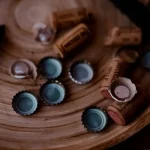
Who would have thought that a simple ketchup cap could become a runway star in 2026? Seriously, we have the impression that plastic craftsmanship is entering a completely new level. Forget about boring, gray decorations – now bold colors, a total neon color craze straight from juice packaging, rule. Cutting such materials into geometric strips or squares allows you to create jewelry that looks like it’s from an expensive boutique, yet it is the fruit of recycling. It’s fantastic fun, especially since modularity allows kids to snap elements together any way they want. Something tells us that these “do it yourself” necklaces will stay with us for a very long time!

Safety first: Why HDPE and PP?
Before you grab the scissors, let’s talk facts because the health of our kids is the most important thing. In the world of plastic, not all that glitters is gold, but HDPE (high-density polyethylene) and PP (polypropylene) are absolute champions. As experts from WWF emphasize, these specific plastics are free from harmful phthalates and do not release toxins upon contact with the skin. You can easily wash them in lukewarm soapy water and wear them without fear of allergies. Moreover, specialists from Omega Plastics point to their incredible resistance to moisture and impact – this is jewelry that will survive even the craziest playground adventures!
| Type of plastic | DIY Properties | Safety |
|---|---|---|
| HDPE (#2) | Matte, durable, ideal for modular links. | Does not release bisphenol A (BPA) or phthalates. |
| PP (#5) | Often transparent, flexible (glass-like effect). | Heat resistant, skin safe. |
From the bottle to modern design
How to turn a cap into a fashionable gadget? It’s simpler than you think! By cutting longitudinal segments from colorful PP bottles, you can create so-called “living hinges,” mentioned by Baiwe Molding. Thanks to this material’s fatigue resistance, such elements can be bent thousands of times and still won’t crack. By the way, if you want to achieve an effect resembling matte sea glass, just gently smooth the edges of the cut shapes. In 2026, we are focusing on combining these forms with hemp string – this combination of nature with recovered plastic looks simply stunning. Doesn’t that sound like a perfect plan for a creative afternoon?
Modular projects with HDPE allow children to create dynamic structures that they can add to or subtract from at will, while developing spatial imagination.
— Inspiration from Green Kids Club reports
3. Personalized Upcycled Fabric Bracelets
Remember that favorite faded concert t-shirt that you wouldn’t throw away for anything in the world, even though it has more holes than fabric? We have a brilliant way for that! Instead of stuffing it in a drawer, turn it into sentimental jewelry. Using old clothes is not only pure fun but also a real nod to the planet. According to WWF, cotton recycling reduces water consumption by nearly 90% compared to the production of new fibers. That’s an incredible result, isn’t it? By creating such a bracelet, you literally wear your story and good decisions on your wrist.
Working with leftover materials gives space for the imagination. Denim from old jeans, a piece of a linen shirt, or colorful cotton knitwear – each of these fabrics behaves differently. The Ellen MacArthur Foundation often emphasizes in its reports that closed-loop denim is the future of fashion, and we can start this revolution in our own living room. Seriously, all you need is scissors and a bit of patience to conjure something from a jeans leg that looks like it’s from an expensive boho boutique.
Sentimental weaves: How to start an adventure with fabric?
If complicated weaving scares you, breathe a sigh of relief – simplicity rules here. To start, we recommend a classic braid or simple weave from cotton t-shirts. Just cut the material into strips about 2 cm wide. Cotton rolls nicely, creating soft strings that lie perfectly on the skin. Want something with more “character”? Use denim! Macramé weave from denim strips creates a raw, modern effect. You can also add a button from the original shirt as a fastener – this adds an incredible, personal charm to the whole piece. There is probably no better gift for a loved one than a bracelet with a “piece of shared memories.”
- Best for: Zero-waste fashion fans and people looking for unique accessories.
- Materials needed: Old t-shirts (cotton), jeans (denim), linen shirts, scissors, possibly a needle and thread for finishing.
- Check it out yourself: See our online upcycling workshops and learn advanced macramé knots step by step!
By the way, Greenpeace in campaigns such as “Toxic Textiles” often points out how much chemistry we avoid when we choose second-hand clothes or repurpose the ones we already have. By using linen or cotton that has already been washed many times, you can be sure that your new jewelry is skin-safe and fully ecological. Doesn’t that sound like a perfect plan for a creative afternoon?
How to choose the best recycled jewelry project?
Choosing the perfect project is a bit like treasure hunting in the attic – we think we know what we want, but ultimately that sparkle in our eye at the sight of an old button or copper wire decides. We have a feeling that in home jewelry production, the most beautiful thing is that you don’t have to be a professional goldsmith to create something that will delight your friends over coffee. By the way, before you throw yourself into the whirl of cutting and gluing, take a look at what you have at hand. Is it skin-safe? Will it fall apart after the first wear? Seriously, planning is half the success, but no pressure – it’s supposed to be great fun foremost!
Remember that the ecological approach is not just fashion, but also convenience. According to the WWF “Sustainable Fashion” report, salvaged items often turn out to be more durable than cheap high-street store items, as long as we take a moment for their proper care. Instead of expensive products, in most cases, a damp cloth is enough. Sounds simple, right? And that’s exactly how it should be!
Where to start and what to pay attention to?
Probably every one of us has a “box of nothingness” in a drawer full of odd earrings or broken chains. It’s the perfect testing ground! The choice of project depends on a few mundane things that are easy to forget in an rush of inspiration.
- Age and safety: If you are planning an afternoon with the kids, put sharp pliers and irritating-smelling glues on the top shelf. Choose projects based on threading thick strings through old buttons or wooden beads. Safe materials are the basis, especially since the youngest like to check jewelry… by taste.
- Tool availability: You don’t need a workshop in the garage to start. Beginners will manage with ordinary scissors and jewelry glue. Advanced users can already “go wild” with electronic scrap or a soldering iron, creating futuristic pendants from circuit boards.
- Ease of cleaning: This is our favorite point! By choosing recycled plastic (e.g., from colorful caps) or smooth metals, you ensure peace of mind. A quick wipe is enough to make the ornament shine again. Avoid overly porous surfaces if you don’t want to spend evenings with a brush in hand.
Advice for debutants: Choose smooth materials, such as plastic or varnished wood. They are stain-resistant and are easiest to keep clean using ordinary soapy water. Thanks to this, your first project won’t lose its glow after a week of wearing.
Tip for advanced users: If you combine different textures, e.g., metal with upcycled fabric (certified by OEKO-TEX), pay attention to the storage location. Fabrics absorb moisture, which can accelerate metal tarnishing. Invest in airtight zip-lock bags that will isolate the jewelry from the air when you’re not wearing it.
As you can see, creating from salvaged materials is not quantum physics. Just a bit of imagination and sticking to simple rules are enough for your ecological creations to please the eye for many years. Ready to look through the drawers?
Frequently Asked Questions (FAQ)
Which option on the list is completely free?
If you are looking for a zero-cost option, go for DIY projects using what you already have at home. The best choices will be decorations and accessories created from household waste:
- HDPE plastic caps – ideal for processing into durable elements.
- Fabric scraps from unworn clothes – they give a second life to textiles that would otherwise end up in the trash.
What is the absolutely best choice for beginners?
For those taking their first steps, we recommend bracelets made of cotton scraps and ready-made recycled cotton necklaces. This is a hit because these materials guarantee complete work safety and provide a great visual effect immediately after creation.
How often is this ranking updated?
We keep our finger on the pulse. The comparison takes into account upcoming trends for 2026 and the latest research on the safety of recovered materials. We verify the entire list every season to provide you only with proven and up-to-date data.