Table of Contents
Proper waste segregation is not only a sign of caring for the environment but also the responsibility of each and every one of us. One of the products that most often raises doubts at the trash can is bread. Is bread always bio-waste, or should it go into mixed waste? In this guide, we explain how to dispose of bread scraps effectively and in accordance with the law.
Where to Dispose of Bread? Key Segregation Rules
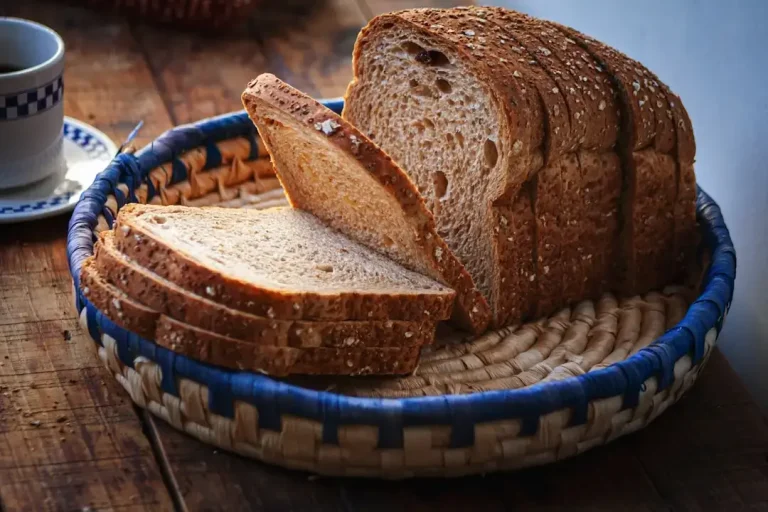
The straightforward answer is: bread should be thrown into the brown BIO waste container, provided that it is dry, stale, and free of additives such as butter, cold cuts, or cheese. Moldy bread or bread containing products of animal origin must go into the mixed waste container (black bin).
It sounds simple, but the devil is in the details—specifically in what we put on that slice. If we have a “clean” piece of a wheat loaf or a rye roll, the matter is clear: it is nature in its pure form, which is great for processing into compost. The situation changes when the bread is the base of an unfinished sandwich. Animal fats and protein from ham are a significant problem for bio-composting plants, as such additives attract rodents and can disturb the decomposition processes. Therefore, if you are not sure if you managed to scrape off all that butter, the black bin will be a safer choice.

BIO Container (brown) vs. Mixed Waste (black)
The choice between the brown and black bin depends primarily on the biological “purity” of the bread. We feel that the most doubts are always raised by that unfortunate mold. Seriously, although it seems counterintuitive, bread with blue or white coating should not end up in BIO. Fungal spores could infect the entire batch of compost, which is risky for the environment. By the way, we treat bread that is heavily soaked in fat in a similar way.
So when do we choose a specific bin? Here is a quick cheat sheet to clear up your doubts:
- Throw in BIO (brown): dry bread without additives, stale rolls without filling, yeast cake leftovers (but without creams!).
- Throw in MIXED (black): moldy bread, sandwiches with cold cuts, pâté or cheese, heavily greased bread (e.g., from olive oil or butter).
Why is this so important? As reported by Wyrzuc.pl, precisely separating products of animal origin from plant bio-waste is the foundation of an efficient waste management system. Surely none of us wants our work in segregation to go to waste because of one salami sandwich thrown into the brown bin, right? Also, remember to throw the bread in loose, not in a plastic bag – plastic is the biggest enemy of your home compost.
Why is Correct Bread Disposal Important?
Probably more than once you have found a forgotten slice in the breadbox that has already “bloomed.” It’s no shame, it happens to everyone! However, it is worth knowing that bread is essentially pure nature – a plant product that, with a little attention, can return to the cycle as a great fertilizer. When it goes into the right bin, it becomes part of the ecosystem, supporting the growth of more plants. We have a small catch, though: for this process to work without disruption, we must take care of the purity of our home segregation. If we throw bread contaminated with animal products, such as cheese or ham, into the bio fraction, we will significantly complicate the work of professional composting plants.
By the way, well-functioning bio-waste recycling is not just an empty slogan, but a real benefit for our soils. Seriously, properly processed scraps give us soil full of life. That’s why it’s so important that only things that can actually be there end up in the brown container. According to the rules promoted by the Warsaw Waste system, we must be especially vigilant in the case of bread that has changed its appearance or composition.
The Problem with Moldy Bread and the Environment
This is where it gets tricky and it’s worth talking about it honestly: moldy bread is a completely different category of waste than stale bread. Although instinct suggests that it is “nature” after all, mold is a real intruder here. It’s not just about what we see on top. Spores can take over the whole loaf, even if most of it seems clean. Why is this so dangerous? Here are a few reasons why “fluffy” bread should not end up in bio:
- Toxins in compost: Mold produces mycotoxins, which are simply harmful. Throwing such bread into bio-waste contaminates the entire batch of material, lowering the quality of the fertilizer that later reaches the fields.
- Health hazard: Spores are easily transferred, which can cause allergies or worse ailments for people working in waste sorting.
- Greenhouse gases: When moldy bread ends up in a regular landfill instead of an incinerator (as mixed waste), it decomposes unnaturally long, releasing methane.
- Disruption of biological processes: The presence of mold and fat residues in the composter makes the natural decomposition slow down, and it simply starts to smell bad around.
Surely none of us would want to use fertilizer with toxins in our garden, right? Therefore, if you see even a small spot of mold on the bread, say goodbye to it without hesitation by throwing it into the black container for mixed waste. This is the safest way for us and for the planet!
Bread Segregation in Practice: Examples
When we stand in front of the trash cans with the remains of an uneaten breakfast, we often wonder: “Brown or black?”. Segregating bread seems simple until we get into the details. We have the impression that the biggest challenge is distinguishing a clean plant product from one that has “hugged” butter or ham. Seriously, that small difference changes everything in the recycling system!
Let’s remember the golden rule: bread that goes into the BIO fraction must be “naked.” Always, and we mean always, take it out of the plastic bag. Plastic is a killer for the composting process, and we want to give this waste a second life. If your stale loaf is clean, without mold and without a gram of fat, its place is in the brown container.
Daily Scenarios – What Ends Up in Which Bin?
Imagine cleaning the kitchen. Did you find a forgotten, hard rye loaf at the bottom of the cupboard? If there is no mold coating on it, it goes to BIO. The situation is similar with breadcrumbs that you made yourself but for some reason are no longer suitable for cutlets. This is pure plant matter, so feel free to throw it into the brown bin. The situation changes dramatically when additives come into play.
An uneaten sandwich with ham, cheese, or even just butter is a different story. Animal fats and protein are “forbidden fruits” for composters, which is why such leftovers must go to the mixed waste container. According to the Segregate for 5 website of the City of Warsaw, only bread without any additives and fat contamination qualifies for the bio fraction. Surely none of us would want the process of creating natural fertilizer to be disrupted by a piece of cold meat, right?
| Type of Waste | Where to Dispose? | Why there? |
|---|---|---|
| Stale rye bread (clean) | BIO (brown) | It is 100% plant matter ideal for compost. |
| Uneaten ham sandwich | Mixed (black) | Fats and animal protein are present. |
| Moldy baguette fragment | Mixed (black) | Mold spoils the process of creating healthy compost. |
| Homemade dry breadcrumbs | BIO (brown) | As long as it doesn’t contain mixtures of other products. |
By the way, before you throw something away, look at those rusks again. If the bread is just hard and not spoiled, maybe it’s worth making croutons for a cream soup out of it? It’s a small step that makes less food go to waste in our homes. And if it must end up in the trash – let’s do it wisely, taking care of the purity of the fraction!
How to Reduce Bread Waste? Zero Waste in the Kitchen
Let’s admit it honestly: each of us has once forgotten about that last heel of bread, which after a few days turned into a rock-hard artifact. It’s no tragedy, seriously! It’s important that instead of an unreflective throw into the trash, you try to give it a second life. We have the impression that in Polish culture, respect for bread is deeply rooted, but sometimes we simply lack ideas on what to do with that unfortunate stale loaf. And the options are plenty and they are really delicious.
By the way, did you know that throwing away bread is not only our local problem? A 2023 FAO report indicates that grain products account for a giant portion of the more than one billion tons of food wasted annually. It would be a shame for our breakfast to feed these sad statistics when it could become the base for a brilliant dinner.
Creative Ways for Stale Bread and Important Warnings
Before you decide that the bread is only suitable for disposal, check our rescue list. These are simple steps that will turn “waste” into small culinary masterpieces. Everyone likes that moment when something extra is created out of nothing, right?
- Freezing is life: If you see that you won’t eat the whole loaf, cut it into slices and throw it into the freezer. Then all you need is a toaster and you have fresh bread in a minute.
- Homemade breadcrumbs: Dry the bread to the bone in the oven or in the sun, and then blend it. It beats the store-bought one in taste and composition.
- Bread luxury: Make garlic croutons for a cream soup or casseroles with plenty of cheese. And for the brave? Sweet bread pudding with fruit.
Important note: Never, but never feed ducks or swans with bread in the park! Although it seems like a nice gesture, the salt and yeast contained in it are real poison for birds.
According to Greenpeace Poland, such a “diet” leads to acidosis, a dangerous metabolic disease that can end tragically for birds. Birds do not digest carbohydrates like we do. Want to help them? Take grains, oatmeal, or chopped vegetables with you. Leave your old bread in the kitchen – you will make better use of it by making crunchy chips for an evening movie!
Frequently Asked Questions (FAQ)
Can moldy bread be thrown into bio?
No. Moldy bread must only go into the mixed waste container. This is because mold spores are harmful to biological processing and can permanently contaminate the entire batch of compost produced from BIO waste.
How does bread disposal differ from meat disposal?
The key difference lies in the origin of the product and the way it is processed in the municipal system:
- Bread: As a product of plant origin, clean bread (without animal additives and mold) qualifies for the BIO container.
- Meat and bones: Should always go into mixed waste. In plants processing municipal waste, animal products are treated differently than plant products and cannot feed the brown fraction.
Can bread in a plastic bag be thrown into the brown bin?
Absolutely not. Throwing bread together with plastic packaging is a mistake that prevents the proper recovery of raw materials. Waste must be strictly segregated: throw the plastic bag into the yellow container (metals and plastics), while placing the bread itself in the BIO container.