Table of Contents
Proper waste segregation is a fundamental pillar of modern environmental protection. One of the most frequently asked questions in households is where to dispose of cans and how to prepare them for disposal so that the recycling process is as effective as possible.
Where to Dispose of Cans? The Most Important Rule
The rule is incredibly simple and worth remembering once and for all. Beverage cans (beer, juices) and food cans (fish, vegetables) must be thrown into the yellow bin designated for metals and plastics. This is where all our aluminum and steel treasures go, which can gain a second or even third life. Seriously, metal is a true recycling champion!
Why is it so important? Because aluminum and steel are raw materials that can be processed almost indefinitely without losing their quality. According to guidelines from the Ministry of the Environment regarding the Unified Waste Segregation System, proper sorting at the source is the first step toward a can returning to store shelves in a new form. We are doing quite well with this – according to Sanittrans data, about 80% of aluminum cans are already being recovered. That’s a great result, right? We feel that together we can push that number even higher.

How to Prepare Cans for Segregation?
Holding an empty can in your hand and wondering if you have to scrub it? Let it go! You don’t need to wash them; it’s enough that they are emptied of food or drink residue. We don’t want to waste water, after all. However, there is one thing worth doing for the planet and… space in your bin. Crush the can before throwing it away. It’s a small thing that makes a huge difference, because thanks to this, the garbage truck doesn’t transport air. By the way, toss metal caps and jar lids into the same yellow bin.
What else should you remember? Here is a short cheat sheet:
- Beverage and food cans – end up in the yellow container.
- Aluminum trays and aluminum foil – also go into the yellow bin (just make sure they aren’t dripping with grease!).
- Cans from chemicals or paints – stop! These are hazardous waste. Take them to the nearest Waste Collection Point (PSZOK) instead of risking contamination of raw materials in the regular bin.
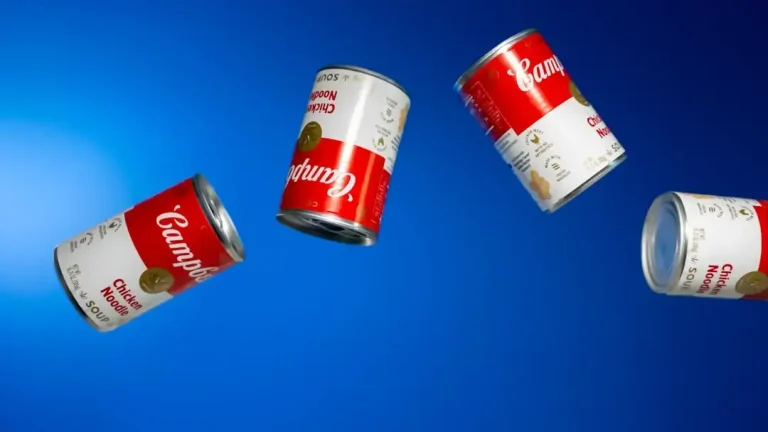
Almost everyone has a tomato or corn can at home, right? By throwing it into the correct bin, you give it a chance for a quick return to circulation. It’s a simple way to be eco-friendly without unnecessary effort or complicated procedures.
Why is Correct Can Segregation Important?
A can from your favorite lemonade or canned food is not just a piece of metal, but a real treasure in our hands. Seriously! Every such item thrown into the yellow bin is a small step toward protecting the planet. We often think it’s “just one can,” but on a national scale, we turn this into tons of raw material that, instead of haunting a landfill for hundreds of years, can return to shop shelves in the blink of an eye. We feel this is the simplest way to have a real impact on what happens to our environment.
When we stay on top of segregation, we allow metals to circulate almost endlessly. It’s a bit like magic, only supported by hard logic and technology. According to data shared by the niemarnuje.pl service, aluminum and steel are materials that can be processed infinitely many times. They don’t lose their properties in the process, which is simply brilliant. By discarding them into the correct container, we save tons of energy and natural resources that we would otherwise have to tear from the earth by force.
Superpowers of Aluminum and Steel Recycling
Did you know that metal recovery is one of the most profitable forms of caring for nature? It’s a clear win for everyone. Imagine that recycling aluminum saves as much as 95% of the energy compared to producing a brand-new can from bauxite ore. That’s a chasm! According to Mak Metalik, producing steel from scrap is nearly 30% cheaper and significantly less burdensome on the wallet and the planet than traditional methods. No one likes to waste energy when we have the solution at hand, right?
Here is why every can matters:
- Closing the loop: Aluminum can be melted down up to 20 times and will still be just as durable.
- Saving electricity: The energy saved by one aluminum can can power a TV for several hours.
- Caring for the air: Recovering every ton of metal means up to 10 tons less CO₂ in the atmosphere.
- Protecting animals: A can in the yellow bin is a can that won’t injure any animal in the forest or river.
- Faster return: A new can can be made from your recycling in just 60 days.
By the way, specialists from Czyste Miasto Gdańsk remind us of one more important thing: crushing a can before throwing it away is a golden habit. Thanks to this, the garbage truck fits more material, which means fewer transport trips and a smaller carbon footprint. It’s simple, fast, and gives a lot of satisfaction! Let’s remember that steel cans are magnetic, which makes them easier to separate in sorting plants – our work at home really pays off at the machines.
How to Prepare Cans for Disposal? 4 Golden Rules
Metal segregation is one of those activities that yields instant results – aluminum can be processed almost indefinitely without losing quality! However, for this process to run smoothly, it is worth remembering a few simple steps. We, as fans of practical solutions, love the fact that caring for the planet doesn’t have to mean standing over a sink for half an hour. Seriously, preparing cans will take you less time than brewing tea.
We sometimes feel that many myths have grown around segregation. Does the can need to be scrubbed? Is the label a sin? Take it easy – guidelines such as those promoted by the Ministry of Climate and Environment focus on logic and resource conservation. Here are four rules that will make you a master of the yellow bin.

Your Check-list Before Discarding a Can
- Empty the contents – This is the absolute basic. Pour out drink remains or remove leftovers of corn or tuna. It’s not about making the can shine, but about not drenching other materials (e.g., paper) in the garbage truck.
- Crush the can – Why is this so important? A crushed can takes up as much as 80% less space! Because of this, the garbage truck doesn’t have to transport “air,” which realistically reduces the carbon footprint of transport. Simply step on it with your shoe – it’s quite satisfying, isn’t it?
- Forget about washing – Important news for all the “clean freaks”: washing cans at home is a waste of water. Modern sorting plants and smelters use pyrolysis and high-temperature processes that easily handle contaminants. This is confirmed by experts from organizations like WWF Poland – save water, the smelter will take care of the rest.
- Separate other materials – If the can has a plastic lid or a rubber seal, throw them in separately if possible. What about paper labels? You can leave them, although removing them is a nice gesture toward recycling.
By the way, did you know that the can you throw in the bin today could return to store shelves as a new one in just 60 days? There’s probably no better motivation for that dynamic “stomp” on the can before tossing it!
Exceptions: Cans from Paints and Chemicals
Did you ever think a can is just a can? We used to think so, too! But life (and segregation instructions) quickly corrected us. While an aluminum can from your favorite sparkling water is a dream team for recycling, one from paint, varnish, or strong chemicals is a completely different story. Here we are dealing with hazardous waste. Why is this so important? Imagine that one unwashed can with leftover emulsion ends up in the yellow bin. During transport, the compactor does its job, the paint leaks out, and… it contaminates hundreds of kilograms of clean plastic and metal. Seriously, one such “mistake” can ruin the efforts of an entire neighborhood, making it impossible to process the materials. Instead of back into circulation, everything ends up in a landfill.
How to distinguish between these two worlds? We have prepared a quick cheat sheet to clear up your doubts. This is not a matter of “eco-perfectionism,” but simply the safety of the process, as often mentioned in educational campaigns by WWF Poland, among others.
| Features | Beverage Can (Aluminum/Steel) | Paint/Varnish Can |
|---|---|---|
| Waste Category | Municipal (recyclable material) | Hazardous / Problematic |
| Where to dispose? | Yellow bin | PSZOK or point of purchase |
| Risk | None – safe material | Toxicity, risk of contaminating the fraction |
| Purpose | Full recycling an infinite number of times | Specialized disposal / industrial recovery |
What is a PSZOK?
You’ve probably heard this acronym hundreds of times, but what does it actually mean in practice? PSZOK is a Point for Selective Collection of Municipal Waste. It sounds serious, but it’s simply a place in your municipality where you can drop off everything for free that doesn’t fit in the standard bins at home. This is where old chemical cans, solvent remains, or used batteries should go. According to data from the Ministry of Climate, every Polish municipality is obliged to run such a point to protect the environment from toxic leaks.
We feel that a trip to PSZOK is associated by some with a grand expedition, but it’s usually a quick action. Just pack the cans in the trunk and drive up during opening hours. On-site, staff will direct you to the appropriate containers. This way, you can be sure that chemicals won’t end up in groundwater, and metals will be recovered in a safe, industrial manner, according to the standards described by the Polish Chamber of Waste Management (PIGO). Doesn’t that sound better than risky tossing of a can into the yellow bin hoping that “it’ll work out somehow”? In our opinion, definitely yes!
Frequently Asked Questions (FAQ)
Do I need to wash cans before throwing them away?
There is no such need. For a can to be suitable for recycling, it is enough to empty its contents thoroughly. Washing packaging at home leads to unnecessary water consumption, which is unecological. Every can that goes to the smelter will be subjected to professional thermal treatment at very high temperatures anyway.
Where to dispose of an aerosol can (e.g., deodorant)?
Segregation rules depend on the contents of the package:
- Empty cans from cosmetics or food products that do not have toxic substance symbols should be thrown into the yellow bin for metals and plastics.
- Cans containing remains of hazardous substances or marked as toxic must be delivered to the nearest Point for Selective Collection of Municipal Waste (PSZOK).
What is the difference between an aluminum and steel can in segregation?
From a home segregation perspective, there is no difference. Both aluminum and steel cans should be thrown into the same yellow bin. A sorting plant is responsible for their precise separation using professional magnetic separators.