Table of Contents
Automotive waste refers to all materials, fluids, used parts, and components resulting from the operation, repair, and dismantling of motor vehicles, which, due to their composition, require specialized handling and disposal. In the face of EU directives mandating the recycling of a high percentage of a vehicle’s mass, proper management of this waste is crucial for environmental protection.
What is automotive waste? Definition and significance
Automotive waste includes end-of-life vehicles as well as any residues generated during their dismantling, repair, or disposal, including used fluids, batteries, tires, and plastic components. Seriously, when we look at a car parked on the street, we rarely think of it as a future secondary raw material base, whereas Polish and EU regulations view it completely differently.
We have the impression that the topic of ecology in the automotive industry sometimes sounds like a boring bureaucratic chant, but in practice, it is about quite mundane things. According to EU directives, dismantling facilities must recover as much as 95% of a vehicle’s mass! You must admit that this is impressive and shows how far we have come from leaving wrecks in the woods in the past.

What exactly does automotive waste consist of and why does it concern us?
When a car reaches the end of its life, it becomes a complex puzzle full of both valuable materials and substances requiring special care. According to data collected in systems such as BDO, this category includes a multitude of elements:
- Operating fluids – engine oils, brake fluids, or coolants that can cause considerable damage to nature.
- Batteries and catalytic converters – harboring precious metals and hazardous substances.
- Tires and rubber seals – a daily sight in every workshop.
- Plastic and glass elements – forming the passenger cabin.
Why does all this matter now? Because the law is becoming increasingly restrictive, and we ourselves are beginning to understand that our planet’s resources are not limitless. Instead of wasting tons of steel or plastics, we prefer to close the economic loop and give these materials a second life. And while this sounds very serious, at its core it is simply about smarter management of what we already have within arm’s reach!
Why does proper disposal of automotive waste matter?
When an old car reaches the end of its life, we feel like it is just another piece of junk to move around. Seriously, we rarely think about what is under the hood in purely chemical terms! Meanwhile, according to the European Commission, approximately 10 million end-of-life vehicles are generated in the European Union annually. This is a gigantic mass of steel, plastic, but also pure chemistry that, without our control, could cause a lot of mess in nature. The law certainly doesn’t turn a blind eye to this either – EU directives and the Polish Act on Recycling End-of-Life Vehicles require that as much as 85% of a car’s mass be returned for reuse or recycling. And that’s a good thing, because ecology in this edition is simply taking care of our shared backyard.
What do we gain and what do we lose through irresponsible disposal of automotive waste?
Wondering why you can’t just throw used parts into an ordinary container? The answer lies in the nature of the substances themselves. An old lead-acid battery is a real ecological time bomb – it contains corrosive sulfuric acid and lead, against which the World Health Organization (WHO) warns, reminding us that there is no safe level of exposure to this metal. On the other hand, pouring used engine oil into the ground or sewage system is a straight path to water and soil contamination. Instead of taking risks, it is much better to look at the benefits of legal solutions.
- Legal aspect and peace of mind: Acting in accordance with Polish regulations and the BDO system (Database on Products and Packaging and Waste Management), you avoid massive problems. Financial penalties for illegal disposal start at several hundred zlotys and increase in the event of environmental contamination, and in cases of real damage, they can reach millions!
- Health and soil protection: Proper management of such waste as oils or batteries protects groundwater and our environment from toxins that enter the food chain.
- Real raw material recycling: According to EU guidelines, Polish dismantling stations must recover 95% of vehicle mass. Thanks to this, valuable resources return to circulation instead of sitting in illegal dumpsides.
- Documentation transparency: By using Waste Transfer Notes (KPO) and legal points, you have it in black and white that everything was done in accordance with the law. Zero stress during any potential inspections.
Key elements and categories of automotive waste
DIY tinkering with your own car is pure pleasure for many of us, but let’s be honest – it generates quite a few problems with subsequent garage cleanup. Seriously, old parts or used fluids are not ordinary municipal waste that we can throw into the first random container down the street. We get the impression that the line between what is allowed to be thrown away and what requires special treatment can be blurry, but the rule is simple: workshop waste lives by its own rules and requires a bit of logistics from us.
It is worth remembering that EU guidelines regarding end-of-life vehicles push for massive resource recovery, which is why the collection system must run flawlessly. Instead of panicking over a pile of junk, let’s divide it all into three main baskets: hazardous waste, items going to the PSZOK (Municipal Selective Waste Collection Point), and those more troublesome mixed garage elements.
Hazardous waste in vehicles
This segment requires the most caution from us, because we are talking about substances that can effectively mess with the environment if they fall into the wrong hands. Surely no one has any doubts that pouring chemicals into the soil is a bad idea? Exactly.
- Batteries: Absolutely do not end up in regular trash cans. It is most convenient to drop them off at the point of sale when buying a new device, or report to the local PSZOK, and sometimes even a scrap yard.
- Engine oils and brake fluids: Real poison for the sewage system. Used oil and brake fluid are taken to a PSZOK, designated gas stations, or left at a workshop that has signed appropriate agreements for the collection of such substances.
- Oil filters: Elements dripping with oil are a classic specialized waste – we do not throw them into mixed waste, but hand them over for safe disposal.
- PZON and workshop chemicals: Empty paint cans, solvents, or degreasers are best accepted by dedicated hazardous waste collection points (PZON).
Plastic and bodywork components
And what to do with the physical remnants after collisions and part replacements? Bumpers, cracked fenders, or old glass can take up half the garage. In our opinion, the safest haven for such oversized items is vehicle dismantling stations, popularly known as SDP.
- Body parts and metals: Hoods, radiators, or small metal bits are readily accepted by scrap metal collection points, and for heavier steel items, we might even get a bit of cash in our pocket.
- Bumpers and large plastics: Plastic covers or spoilers should go straight to the dismantling station. Let’s just remember the golden rule – if the element is smeared with oil or paint, it automatically jumps into the hazardous waste category.
- Hubcaps and small plastics: If they are clean and the municipality doesn’t mind their presence at the local PSZOK, we can deliver them there without any problem.
Practical examples: How to handle selected parts?
Theory is one thing, but what do we do when an old tire or a damaged wiper blade is lingering in our garage? Seriously, sometimes it’s easy to get lost in all of this. We feel that each element requires a completely different approach. Relax, we’ve gathered the most popular automotive junk for you to show step-by-step where it should go. You can easily drop off tires at a PSZOK, though we keep an eye on local annual quantity limits because offices can be specific about this. Besides, vulcanization shops also come to the rescue.
And what about small parts that are replaced almost on the fly? Probably each of us has wondered about this at least once. Used wiper blades, just like broken hubcaps, will land best in the black container for mixed waste, as long as they do not contain large metal parts that can be separated. According to EU guidelines, including reports from the mabo.info.pl platform and new tires, we must remember a responsible approach to every piece of waste. Check out our cheat sheet below!
Where to drop off individual car parts? A life-making table
To make it easier for you to navigate quickly, we have prepared a short summary. Thanks to it, you will immediately see what to do with a specific item without browsing complicated regulations. So, how does it look in practice?
| Car part / Element | Where should it go? | Additional tip |
|---|---|---|
| Car tires | PSZOK, tire service point, or legal scrap yard | Pay attention to annual municipal limits and waste code 16 01 03. |
| Wiper blades | Black container (mixed waste) | Small rubber-metal elements do not qualify for PSZOK. |
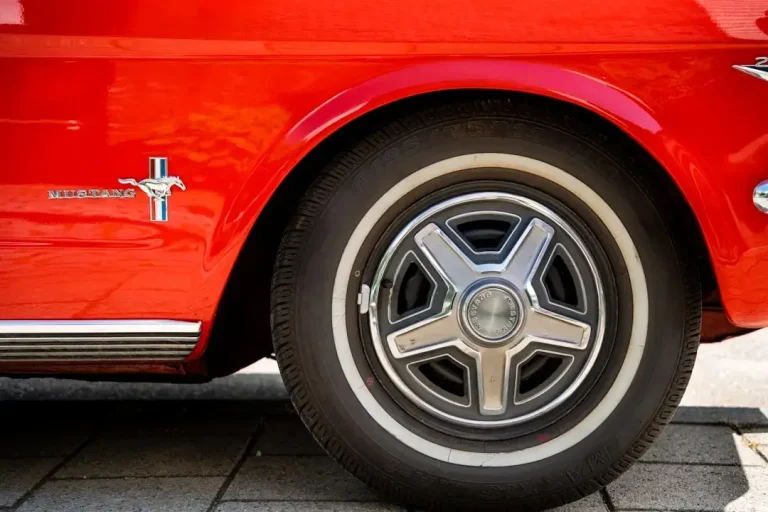
| Car hubcaps | Black container (mixed) or PSZOK | Whole and functional hubcaps can be given away or sold to someone! |
| Car mats | PSZOK (rubber/plastic/dirty) | Clean textile ones can sometimes be given to clothing collection. |
As you can see, the matter is not black at all, and proper part management can be quite simple when we know the right address. Just remember under no circumstances to throw operating fluids or batteries into regular bins – these must always go to special hazardous waste collection points.
Frequently Asked Questions (FAQ)
What is the difference between automotive waste and standard municipal waste?
Automotive waste drastically differs from regular trash in its chemical composition. It contains substances hazardous to the environment and health, including used engine oils, heavy metals, and aggressive acids. For this reason, they absolutely must not end up in standard municipal containers. Their safe disposal requires taking them to Municipal Selective Waste Collection Points (PSZOK) or authorized dismantling stations.
Who typically is responsible for disposing of automotive waste?
Responsibility for managing this type of waste rests with several entities, depending on the scale of the generated materials:
- Individual drivers: are responsible for waste generated during home, minor repairs (e.g., used filter or fluid), which must go to PSZOK.
- Professional auto repair shops: generate a lot of waste and have a legal obligation to sign contracts with specialized disposal companies.
- Vehicle dismantling stations (SDP): handle comprehensive and legal disposal of entire end-of-life vehicles.
What is the opposite of professional automotive waste recycling?
The opposite of legal and controlled recycling is the gray market and environmental crimes. These include illegal abandonment of car parts and operating fluids in forests and burning plastics, rubber, or waste oil in home heating boilers. Such actions cause drastic contamination of soil, groundwater, and air, and drivers or workshops face severe financial penalties for them.